When
9 to 23 June 2019
Where
In The Gambia
Students
20 UWE
People trained
About 700 across Daigo 1 and 2
Youth leaders
18 DOAF
Launched
11 June 2019
Background
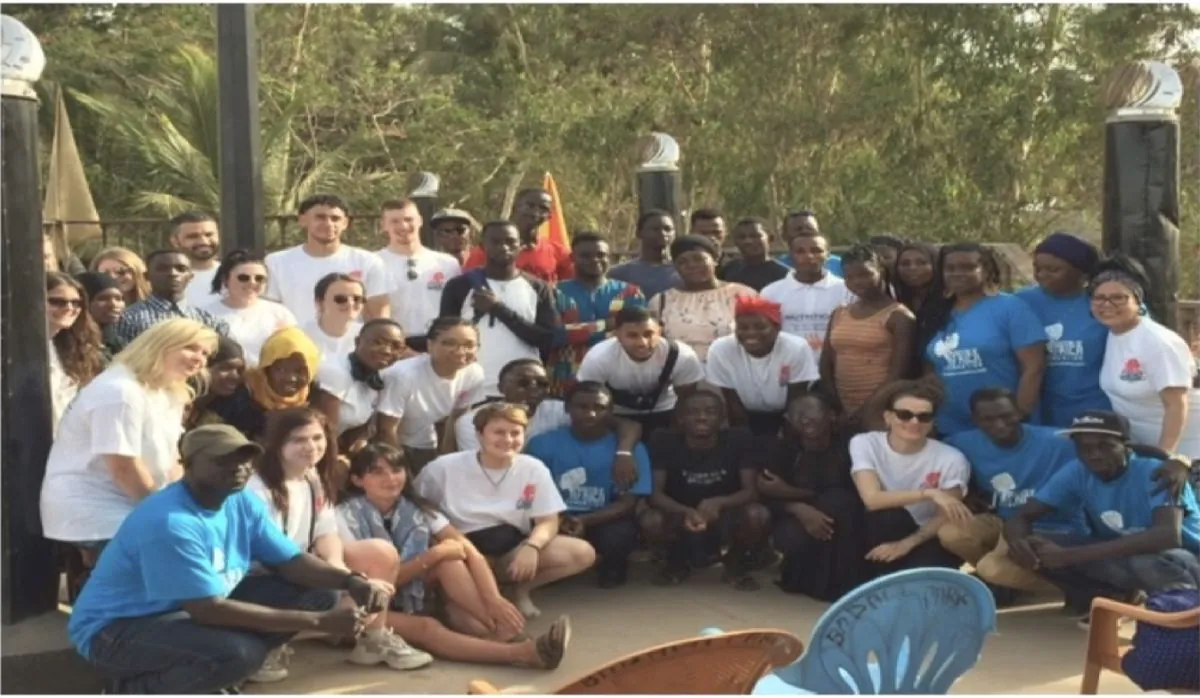
20 students from various disciplines (Architecture, Health, Science, Sports Rehab, Fine Art, Photography, Graphic Design, Film Making, Psychology and Bio Science) across the university took part in the Daigo (meaning “togetherness”) Project in The Gambia from 9 to 23 June 2019.
UWE project lead: Mian Ng. Partner: Daughters of Africa Foundation.
Aims
- Provide two weeks of project delivery for 20 UWE students from across faculties and departments
- Enable multidisciplinary practice and a clear understanding of collaborations across the university
- Facilitate students’ subject learning at an international level
- Provide an experience where students connect their subject to professional activities in communities
- Broaden students’ knowledge of global relations and international project management
Deliveries
On 11 June 2019 DOAF and UWE launched seven projects in the Greater Banjul Area: a youth magazine (Young Gambia Speaks), film, first aid, museum archiving, sports rehabilitation and massage, construction, and nutrition and health. Together with Daigo 2, about 700 people were trained across Gambian communities.
Outcomes
- Projects delivered successfully and with great impact on local communities
- UWE students’ contribution to DOAF’s youth programmes enabled sustainable growth in skills for local communities
- Students developed global leadership skills and exchanged knowledge with 18 DOAF youth leaders
- A wide range of communities, from museum staff to children in Abuko, benefited as skills were shared and put to use
- Accommodation at SOS Children’s Village gave the organisation an income while hosting UWE students and staff
Employability
Students who went on the trip have been offered work and opportunities as a result. Feedback has been very positive: the experience gave them tools and confidence to deal with situations outside their comfort zones.
Inter-faculty teams combined specialist skills in joined-up projects: Museum and Archiving (History and Photography), the Building project (Architecture and Fine Art), the Environmental project (Architecture and Graphic Design) and Sports Rehab (Sports Rehab and Psychology).
Legacy
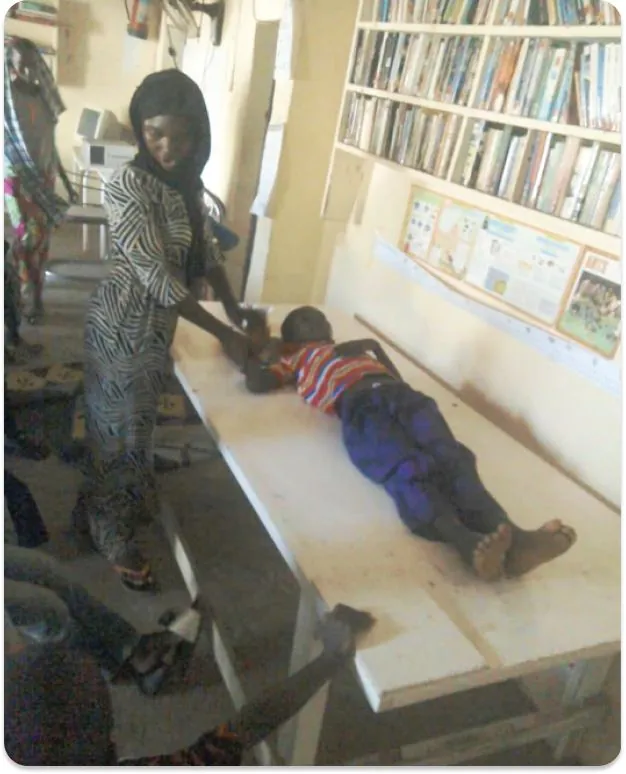
Youth leaders carried on the work after the UWE team left. One example: Fatoumatta, a youth leader, teaching the First Aid course to a younger audience at the library.
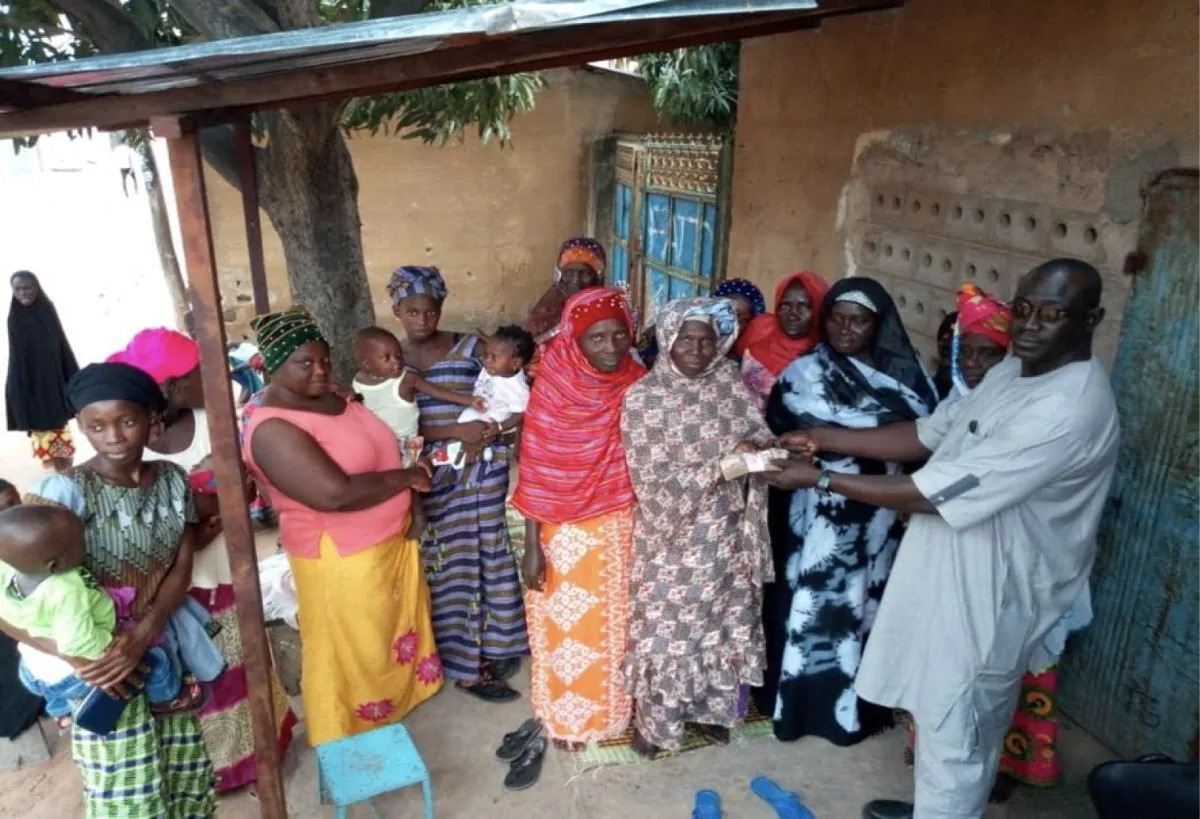
Success: Apple donated £500 to the Kampeng Kaffo Women’s Group via architecture student Suleiman Al’Sadi.
Projects within Daigo 1
8 team projects ran in this cycle. Open any one to see photos and details.
The museum and oral history project
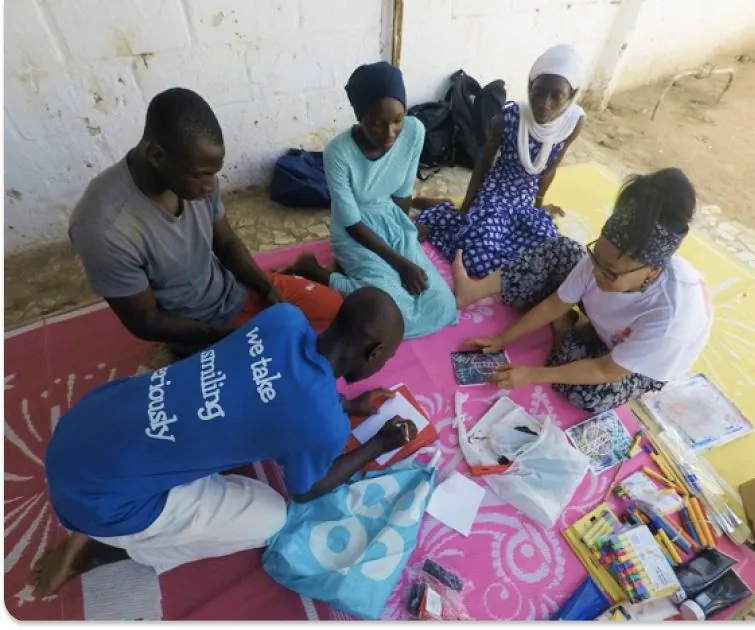
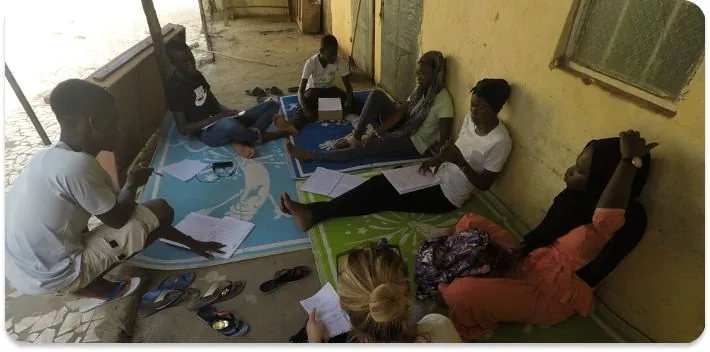
Sharing skills with counterparts in The Gambia, inspiring students through photography and creating a lasting link to local history and heritage through oral history and the National Centre for Arts and Culture.
- Museum archiving through photography
- Teaching interview techniques so young people can gather local histories that might otherwise be forgotten
- Equipping museum staff to build an archive of artefacts
- Producing professional postcards of musical artefacts as an ongoing source of income for the museum
Architecture and art
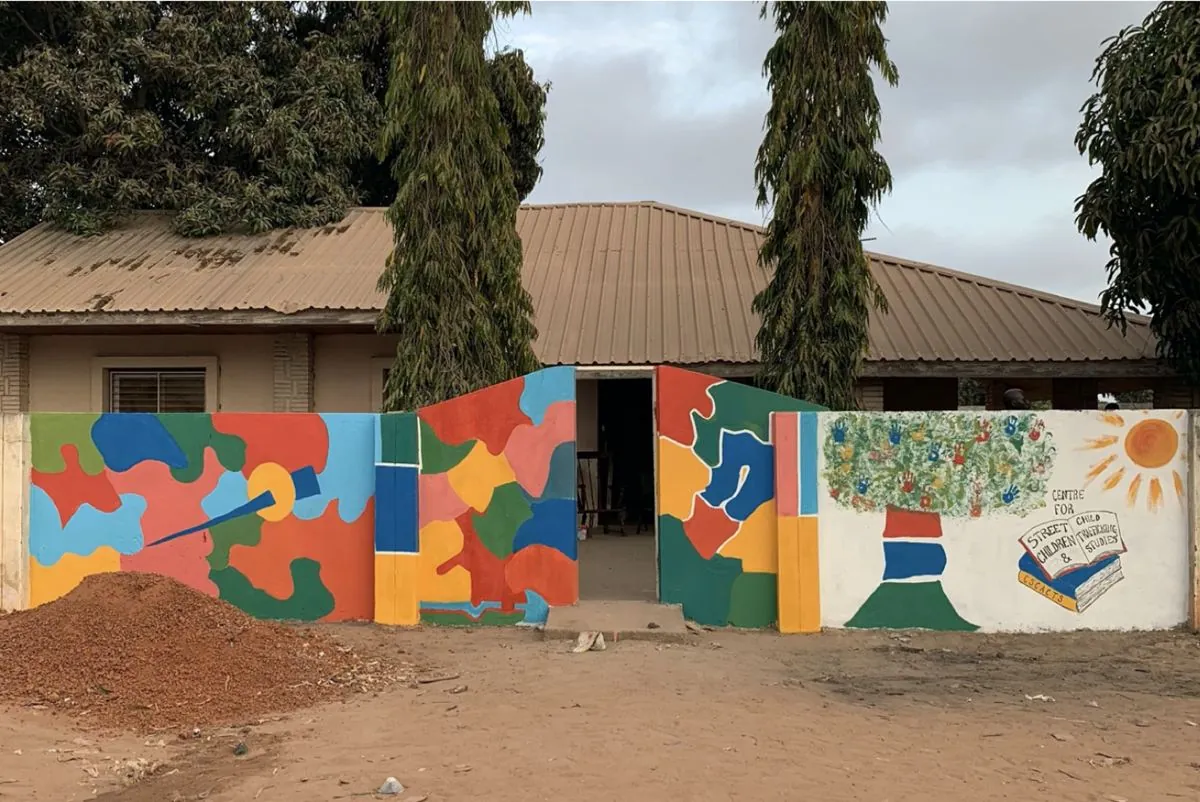
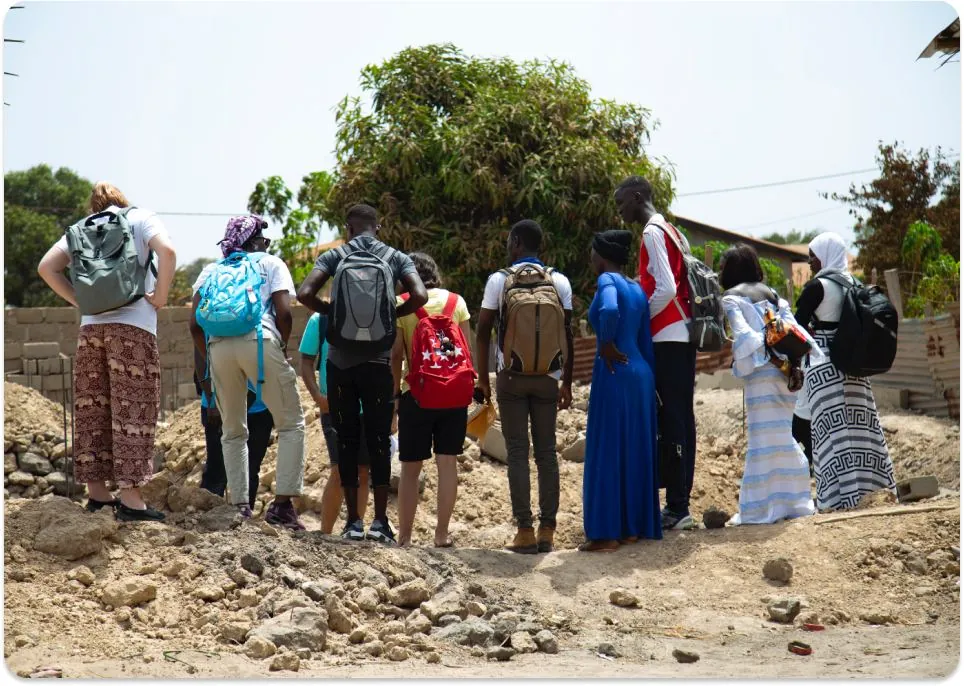
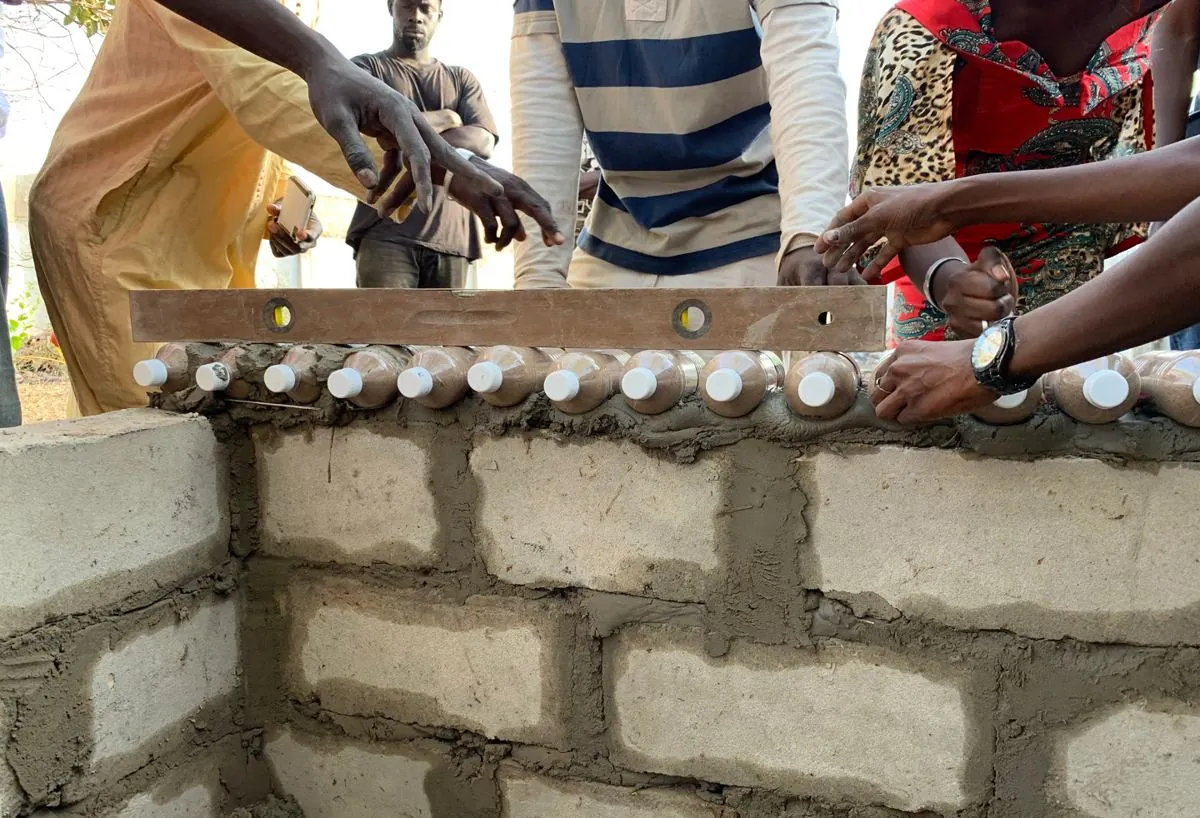
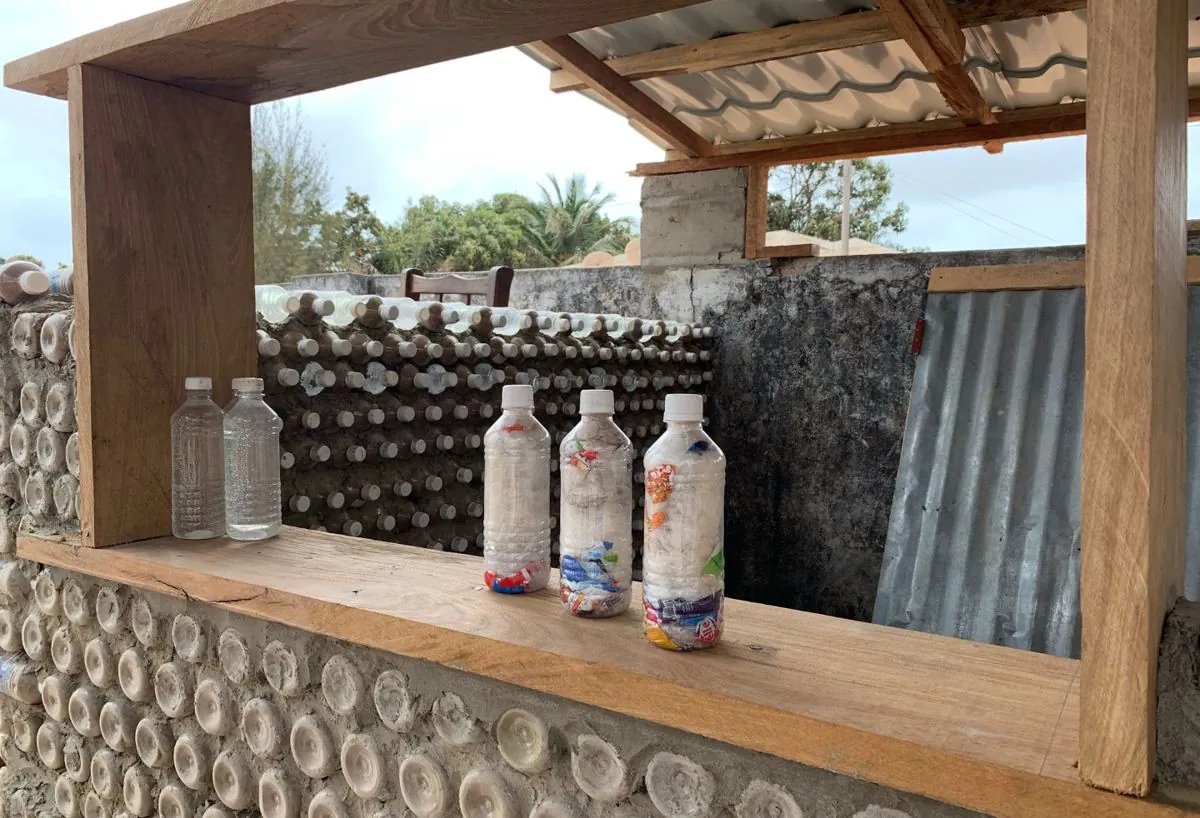
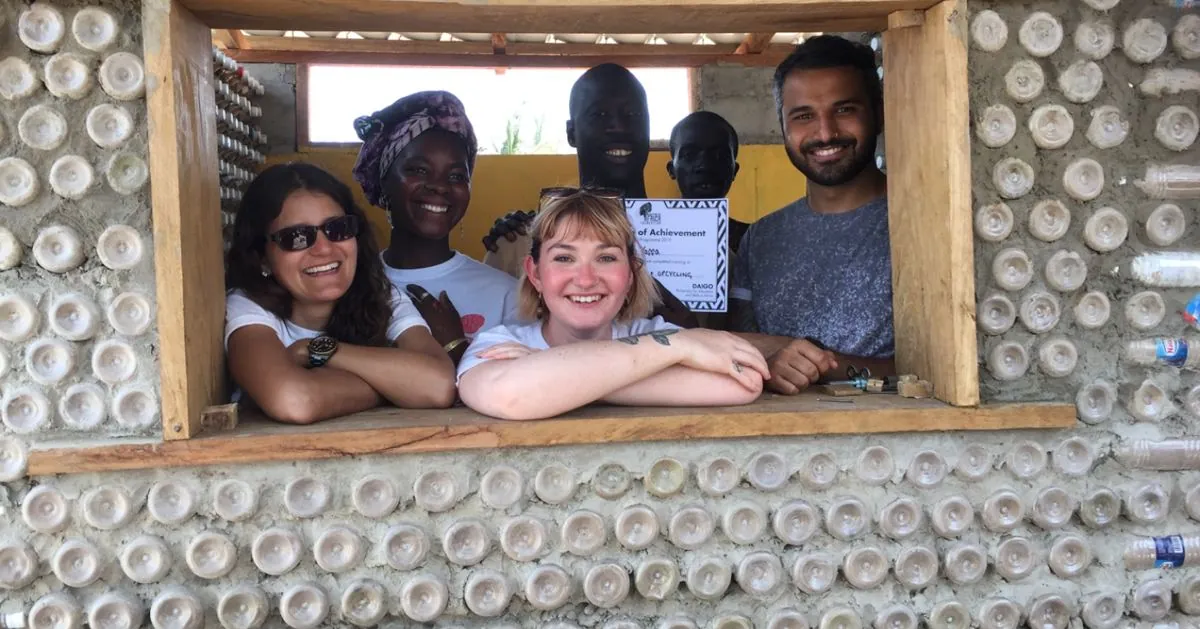
Survey, planning, costing and materials for a community build, alongside a presentation on alternative building materials for an African climate and the problems of single-use plastic and climate change.
- Hempcrete: a versatile, carbon-negative crop for building, clothing, biofuel and more, ready in 3 to 4 months
- Upcycling and a community mural
First aid training
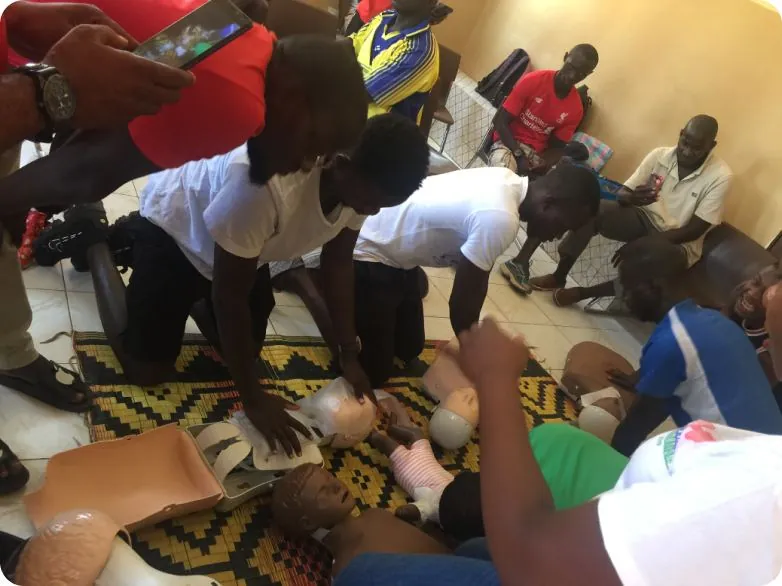
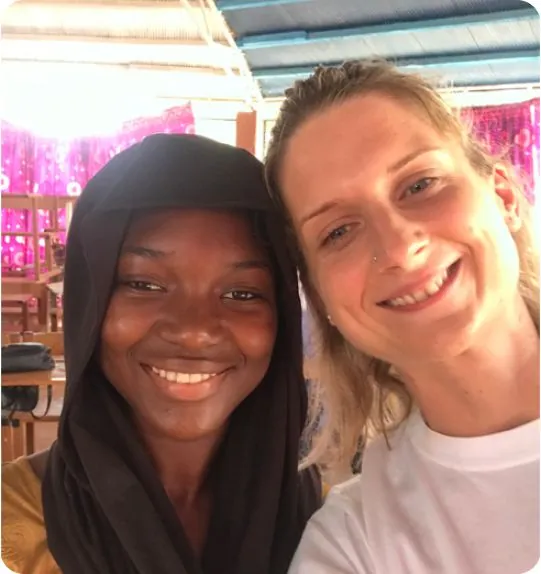
Team: Clare and Miriam, with youth leader Fatoumatta Barry (Inspiring Young Stars)
After Red Cross training through UWE, and with first aid equipment donated by UWE Paramedics, the team delivered courses to up to 35 people at a time.
- Abuko women and Abuko men (2-hour short courses)
- Trainee nursing associates (two groups, 8 hours each)
- Physiotherapists and football coaches (8 hours)
- SOS students and salon workers, and infant school teachers (8 hours)
After the team left, youth leader Fatoumatta Barry carried on delivering first aid training to young people at the community library.
Nutrition and long-term health conditions
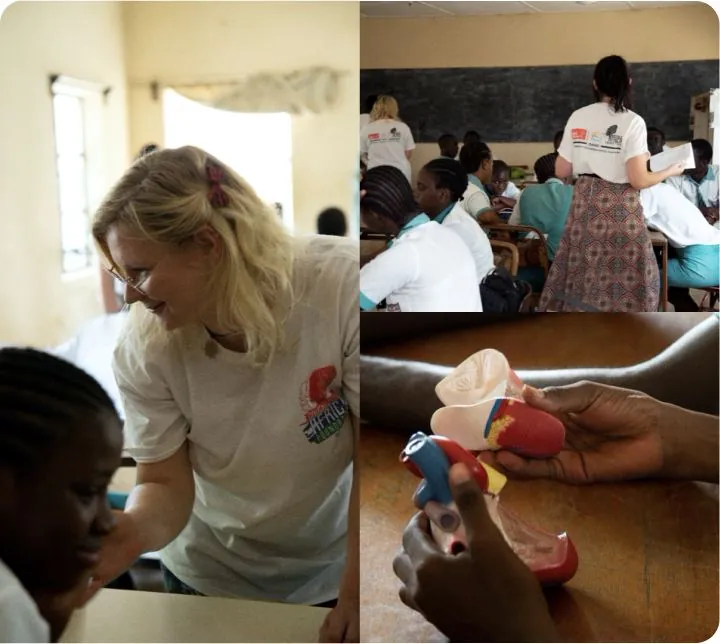
Raising awareness of long-term conditions, their symptoms and how to reduce the risk. More than 160 people were taught at St Peter’s Technical College, a women’s community group, a men’s group and SOS Children’s Village staff.
- Nutrition: sugar, a healthy balanced diet, vitamins and minerals
- Long-term conditions: diabetes, high blood pressure, HIV and AIDS
Sports rehabilitation
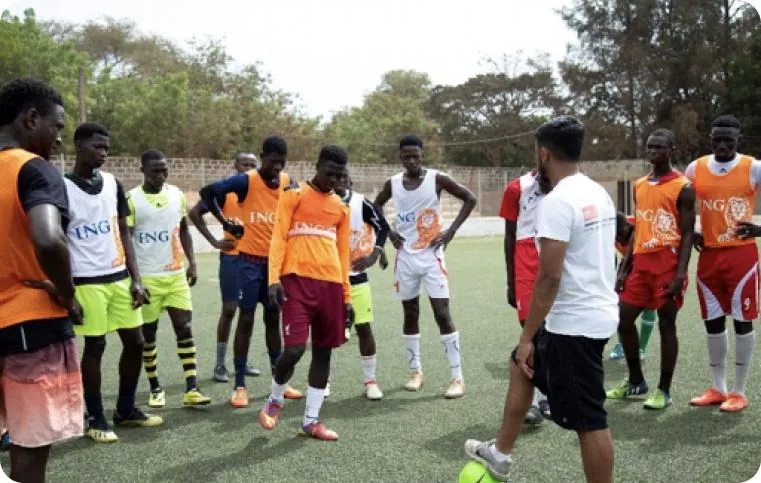
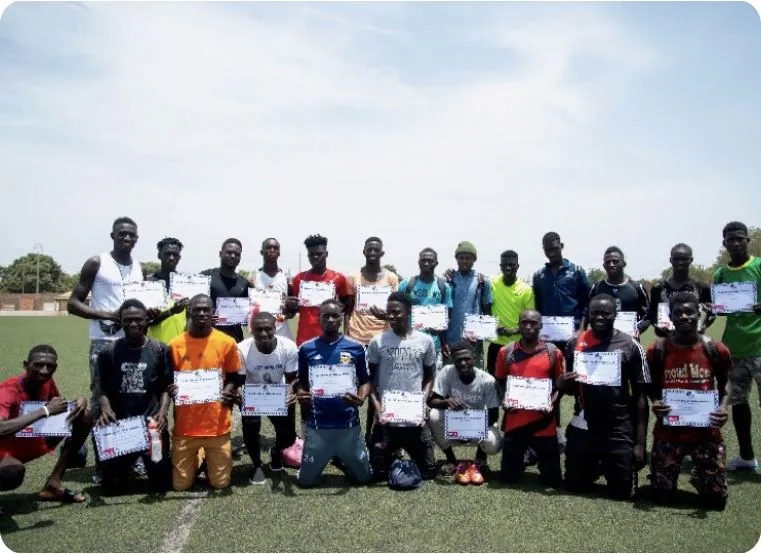
Football is life in The Gambia, with high participation but no physios or sport rehabilitators at amateur level and many complaints of joint and back pain. The team worked with local coaches and physios on the whole rehabilitation process.
- Proper warm-ups and the effects of stretching
- In-game injury management and post-game care
- Psychological care, strength and conditioning
“Education is the passport to the future, for tomorrow belongs to those who prepare for it today.” Malcolm X
Environmental publication, St Peter’s Technical School, Lamin
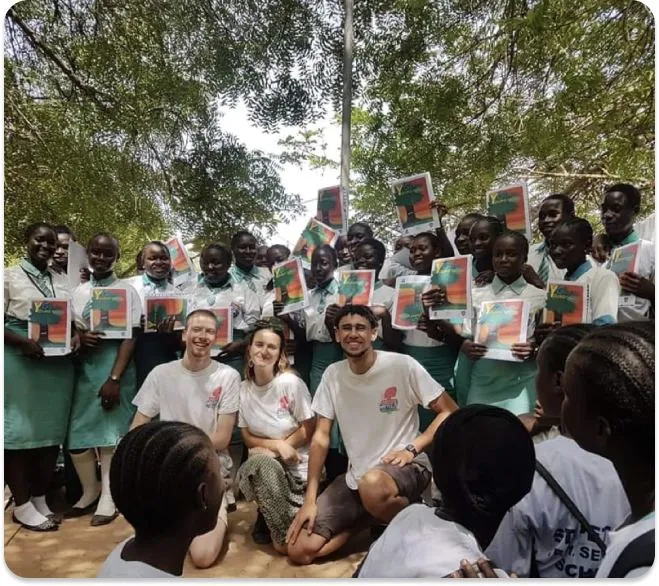
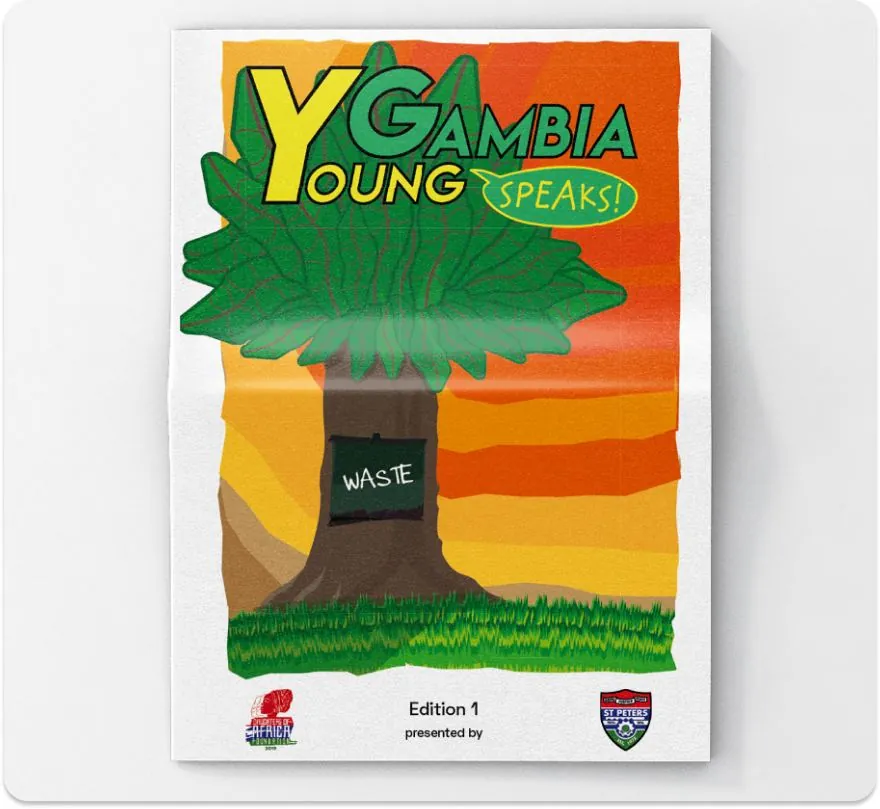
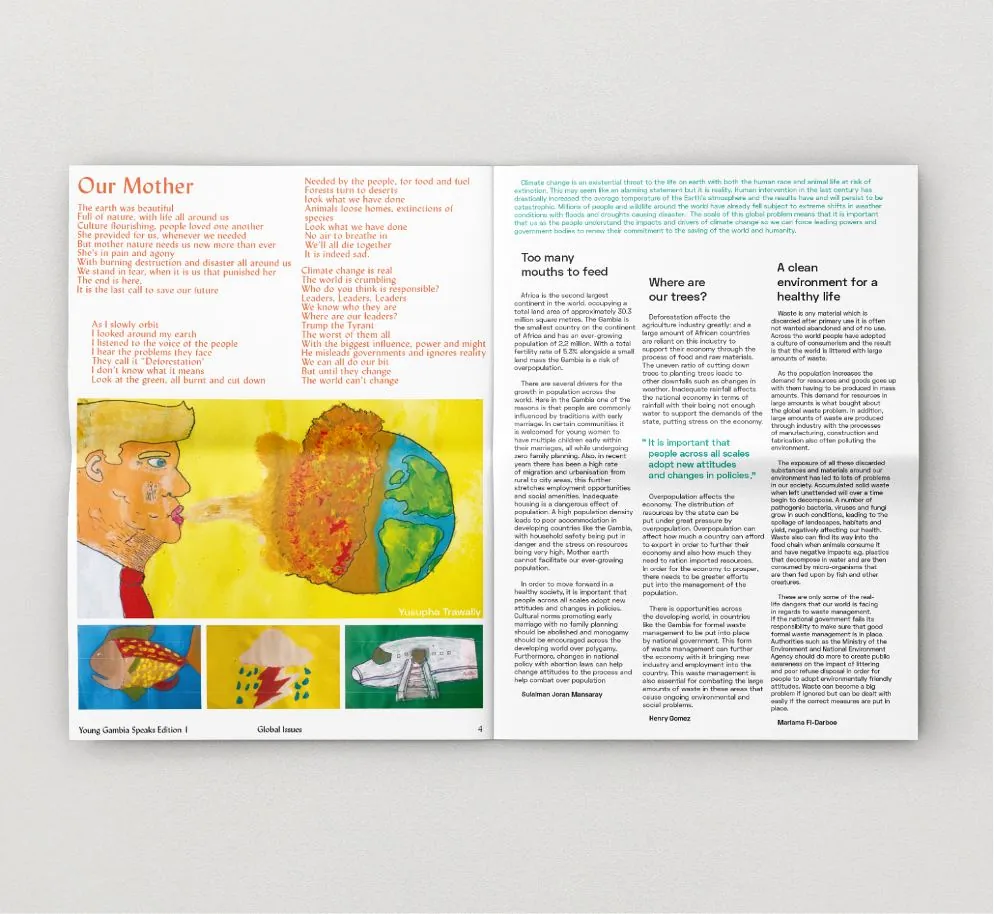
In two weeks, UWE students and 30 Gambian students aged 16 to 19 created a 12-page publication on environmentalism, globally and in their own community, with 200 printed copies shared locally.
- Research with provided material, interviews and three community research trips
- Skills shared: graphic design, critical thinking, photography, writing, journalism and social agency
- Design and creativity: colour theory, typography, layout, photography, poetry, illustration and painting
- Graduation, and a publication that lasts beyond the project
The film project: Living History
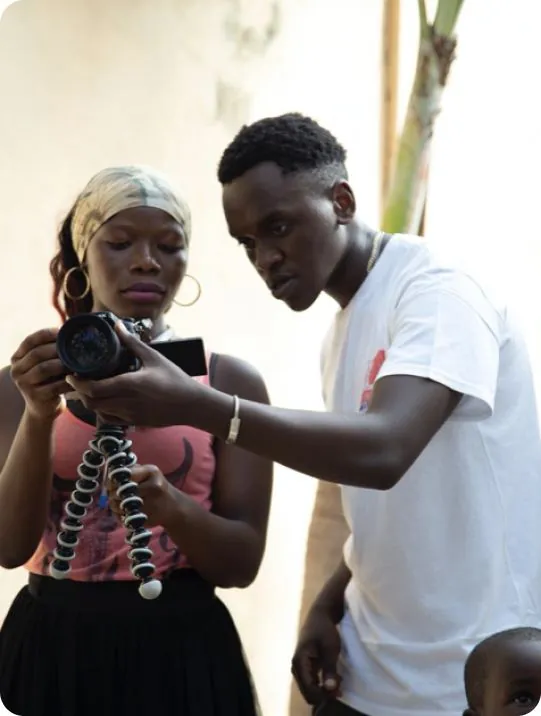
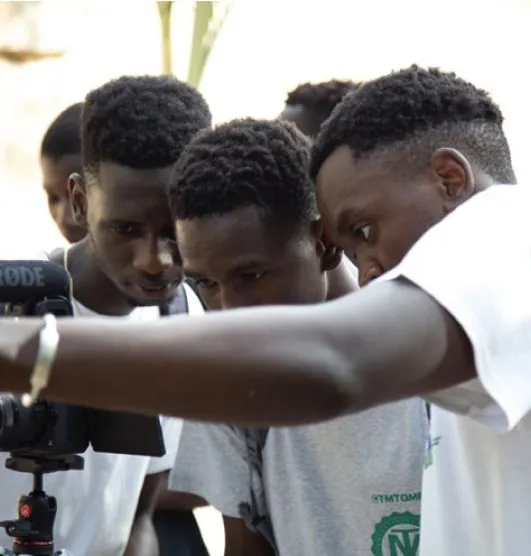
Capturing stories and opinions from young people across The Gambia to build empathy, understanding and respect. It began as a documentary on TMT, a youth group uniting their Abuko community through events, music and clean-ups.
- Workshops in camera work, sound and music, and post-production editing
- Camera terminology and hands-on filming
Documenting project
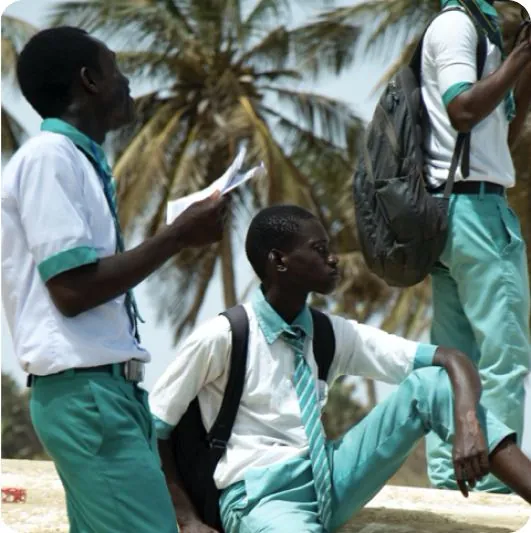
Documenting the whole trip: every activity and every interaction between UWE and Gambian students.
- Professional impact: fast-paced work and tight deadlines
- Personal impact: learning from others, confidence and a sense of community
More photos
Daigo 1 at a glance
20 students from ten disciplines run eight team projects around Greater Banjul, from first aid to film.
Get involved
Want to join the next Daigo cycle?
Be part of the next Daigo
Students, schools and partners: there is a place for you in the next cycle of togetherness.